Have you ever noticed a little blood in the sink after brushing your teeth? It might seem harmless, especially if your gums don’t hurt. But bleeding gums can be an early sign that something needs attention.
Many people assume their gums bleed because they’re brushing too hard. While that’s one possible explanation, gum inflammation caused by plaque buildup is another common reason.
The good news is that many causes of bleeding gums can be treated, particularly when they’re identified early.
Why Do Gums Bleed When Brushing?
Gums usually bleed during brushing because of inflammation, plaque buildup, or irritation from brushing too hard. One of the most common causes is gingivitis, an early form of gum disease.
When plaque accumulates around the gumline, bacteria can irritate the surrounding gum tissue. Inflamed gums may become red, swollen and more likely to bleed when touched by a toothbrush or dental floss.
Other possible causes include hormonal changes, certain medications and underlying health conditions.
Occasional minor bleeding may occur after changing your oral hygiene routine, but frequent bleeding should not be ignored.
7 Common Causes of Bleeding Gums
Understanding why your gums bleed is the first step toward finding the appropriate treatment.
1. Gingivitis (Early Gum Disease)
Gingivitis is one of the most common causes of bleeding gums.
It develops when plaque builds up along the gumline and triggers inflammation.
Common symptoms include:
- Red or swollen gums
- Bleeding during brushing or flossing
- Tenderness around the gumline
- Persistent bad breath
The encouraging news is that gingivitis is generally reversible with improved oral hygiene and appropriate professional dental care.
However, leaving gum inflammation untreated can allow it to progress.
2. Brushing Too Hard
Using excessive force while brushing can irritate delicate gum tissue.
Hard-bristled toothbrushes and aggressive brushing techniques may also contribute to gum recession and irritation.
What can you do?
Use a soft-bristled toothbrush and gentle pressure. Clean all tooth surfaces carefully rather than scrubbing aggressively.
If you’re unsure about your technique, ask your dentist to demonstrate the correct brushing method.
3. Plaque and Tartar Buildup
Plaque is a sticky film containing bacteria that continuously forms on your teeth.
When plaque isn’t removed effectively, it can harden into tartar, also known as calculus.
Tartar cannot be removed through ordinary brushing or flossing. Professional dental cleaning may be necessary.
The presence of plaque and tartar near the gumline can contribute to inflammation and bleeding.
4. Incorrect or Inconsistent Flossing
If you’ve recently started flossing after a long break, you may notice some bleeding.
This can occur because your gums are inflamed or because flossing is being performed too forcefully.
Minor bleeding after starting a flossing routine may improve within approximately a week as plaque control improves.
However, flossing should never involve cutting or snapping the floss into your gums.
If bleeding continues, see a dentist rather than simply abandoning interdental cleaning.
5. Hormonal Changes During Pregnancy
Hormonal changes during pregnancy can make the gums more sensitive to plaque-related inflammation.
Some pregnant women develop pregnancy gingivitis, which may cause gum swelling, tenderness and bleeding.
Maintaining good oral hygiene and attending dental appointments are important during pregnancy.
If you experience gum bleeding while pregnant, speak with your dentist for personalised guidance.
6. Certain Medications
Some medicines, particularly blood thinners, can make bleeding more noticeable or harder to stop.
Other medications may affect oral health indirectly, for example by causing dry mouth.
If you suspect that a medicine is contributing to gum bleeding, inform your dentist and prescribing clinician.
Do not stop taking prescribed medication without medical advice.
7. Other Health Conditions
Bleeding gums can occasionally be associated with conditions that affect general health.
For example, diabetes is associated with an increased risk of periodontal disease, particularly when blood glucose is poorly controlled.
Nutritional deficiencies and blood disorders can also contribute to gum problems in certain circumstances.
These possibilities do not mean that everyone with bleeding gums has a serious medical condition.
However, unexplained or persistent bleeding deserves professional assessment.
How to Stop Bleeding Gums at Home
If your gums bleed while brushing, the solution isn’t necessarily to stop cleaning them.
In many cases, improving your oral hygiene routine helps reduce plaque-related inflammation.
1. Brush Twice Daily
Brush your teeth twice a day for approximately two minutes using fluoride toothpaste.
Choose a soft-bristled toothbrush and apply gentle pressure.
Make sure to clean along the gumline and all surfaces of your teeth.
2. Clean Between Your Teeth Every Day
Dental floss or interdental brushes help remove plaque from spaces that your regular toothbrush cannot reach.
Use whichever method is suitable for your teeth, and ask your dentist for help choosing the correct size of interdental brush.
3. Avoid Aggressive Brushing
Brushing harder does not necessarily mean cleaning better.
Excessive force can irritate your gums.
Use gentle, controlled movements instead.
4. Stop Smoking
Smoking increases the risk of periodontal disease and can interfere with gum health.
It can also mask some signs of gum inflammation, meaning gum disease may be present without obvious bleeding.
Quitting smoking supports both oral and general health.
5. Maintain a Balanced Diet
A balanced diet supports healthy gums and overall wellbeing.
Include a variety of nutritious foods and limit frequent consumption of sugary foods and drinks.
However, dietary improvements alone will not remove tartar or treat established periodontal disease.
6. Arrange a Dental Check-Up
If your gums bleed regularly, arrange a dental examination.
Professional assessment is important because home care alone may not be enough when significant tartar buildup or periodontal disease is present.
Should You Stop Brushing If Your Gums Bleed?
No. In most cases, you should continue brushing gently with a soft toothbrush and fluoride toothpaste, even if your gums bleed slightly.
Stopping oral hygiene can allow additional plaque to accumulate, which may worsen gum inflammation.
Avoid forceful brushing and do not repeatedly irritate an injured area.
If bleeding is heavy, persistent or unexplained, seek professional advice.
The goal is to keep your mouth clean without causing additional trauma.
Can Bleeding Gums Be a Sign of Serious Gum Disease?
Yes. Bleeding gums can be an early warning sign of periodontal disease, although not every case of bleeding indicates serious disease.
There are two important stages to understand.
Gingivitis
Gingivitis affects the gum tissue and causes inflammation.
Symptoms can include redness, swelling and bleeding.
It is generally reversible with appropriate professional care and consistent plaque removal.
Periodontitis
Periodontitis is a more advanced form of gum disease.
It can damage the tissues and bone supporting the teeth.
Warning signs may include:
- Receding gums
- Persistent bad breath
- Loose teeth
- Changes in the way your teeth fit together
- Pain or discomfort while chewing
- Deep spaces between the teeth and gums
Damage caused by periodontitis may not be fully reversible, but treatment can help control the disease and reduce further damage.
Early diagnosis matters.
Professional Treatment for Bleeding Gums
Treatment depends on what is causing the bleeding.
A dentist may examine your gums, assess plaque and tartar buildup, measure gum pockets and recommend X-rays when necessary.
Possible treatments include the following.
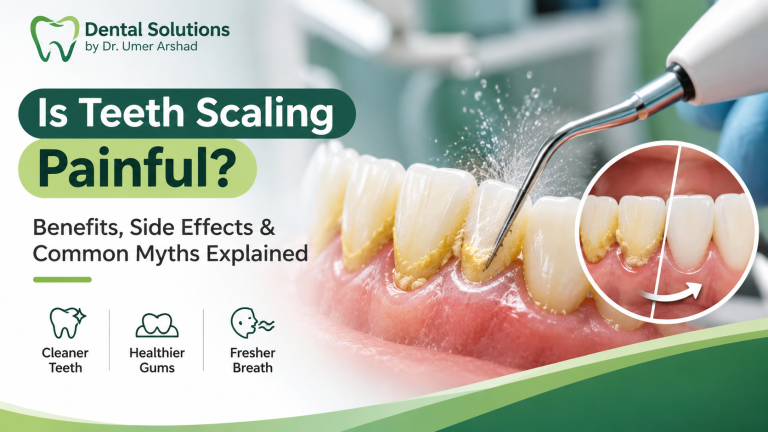
Professional Teeth Scaling
Scaling removes plaque and hardened tartar from tooth surfaces.
It may be recommended when deposits are contributing to gum inflammation.
For patients who want to understand the procedure, our related guide, “Is Teeth Scaling Painful? Benefits, Side Effects & Common Myths Explained,” explains what to expect.
Scaling and Root Planing
When periodontal disease affects deeper areas around the teeth, more extensive cleaning below the gumline may be required.
This treatment helps remove deposits from affected root surfaces and supports periodontal disease management.
Oral Hygiene Guidance
Your dentist can recommend suitable toothbrushes, interdental cleaning methods and changes to your daily routine.
Additional Periodontal Treatment
Patients with advanced gum disease may require ongoing periodontal maintenance, medication in selected circumstances or referral for specialist treatment.
The right approach depends on the diagnosis rather than bleeding alone.
When Should You See a Dentist for Bleeding Gums?
Arrange a dental appointment if:
- Your gums repeatedly bleed while brushing or flossing.
- Your gums are swollen, painful or red.
- You have persistent bad breath.
- Your gums appear to be receding.
- You notice increasing tooth sensitivity or loose teeth.
Seek urgent dental assessment if you develop severe gum pain or swelling, a dental abscess, or loose adult teeth.
If bleeding is heavy and does not stop, seek urgent medical attention. Unusual bleeding elsewhere in the body should also be discussed with a healthcare professional.
How to Prevent Bleeding Gums
A consistent oral hygiene routine can reduce your risk of plaque-related gum inflammation.
| Habit | Why it matters |
| Brush twice daily | Removes plaque from accessible tooth surfaces |
| Use fluoride toothpaste | Helps protect teeth from decay |
| Clean between teeth daily | Removes plaque from difficult-to-reach areas |
| Use gentle brushing pressure | Reduces unnecessary gum irritation |
| Avoid smoking | Reduces an important risk factor for gum disease |
| Attend dental check-ups | Helps identify inflammation and other oral health problems |
| Follow recommended cleaning schedules | Helps control tartar buildup and gum disease risk |
Prevention is especially important for people with diabetes, a history of periodontal disease or other relevant risk factors.
Bleeding Gums Treatment in Sargodha
If you’re experiencing bleeding gums while brushing, a dental examination can help determine whether the cause is brushing technique, plaque buildup, gingivitis or another condition.
At Dental Solutions by Dr. Umer Arshad in Sargodha, patients can access dental examinations, professional cleaning and individual treatment recommendations.
An assessment allows your dentist to check for gum inflammation and explain whether routine scaling or additional periodontal treatment is appropriate.
Clinic: Dental Solutions by Dr. Umer Arshad
Address: 701-A Satellite Town, Rehman Lab Building, Near Munir Hospital, Sargodha, Punjab, Pakistan
Phone: +92 300 6036003
Website: https://dentalsolutions.pk/
Contact the clinic to arrange an appointment if your gums bleed regularly.
FAQ
Final Thoughts
Bleeding gums are common, but they shouldn’t become something you routinely ignore.
Sometimes the cause is as simple as brushing too aggressively. In other cases, bleeding is an early warning sign of gingivitis or a more advanced gum problem.
Maintaining good oral hygiene and arranging a dental examination when bleeding persists can help protect your gum health.
Concerned about bleeding gums? Contact Dental Solutions in Sargodha for a professional dental assessment and personalised advice.