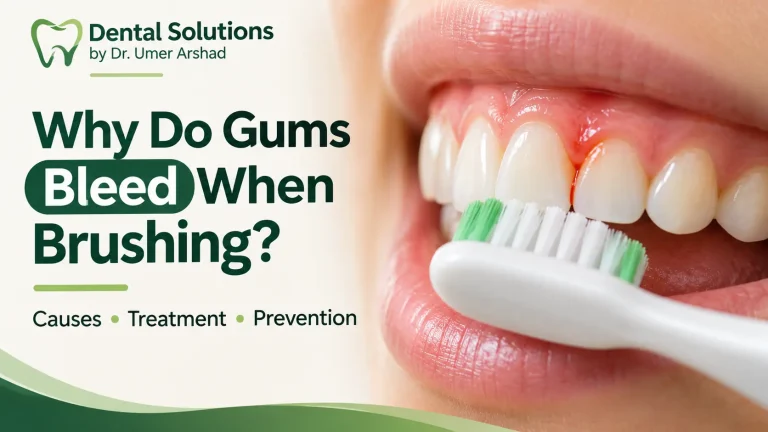
Have you been putting off a dental cleaning because you’re worried it might hurt? You’re not alone. Many people hesitate to book a scaling appointment because they’ve heard that it causes pain, weakens teeth or makes them sensitive.
The truth is that professional teeth scaling is a routine dental procedure. While it may cause some discomfort, especially if your gums are inflamed or your teeth are already sensitive, many patients find it manageable.
Let’s look at what happens during scaling, why dentists recommend it and what you can expect afterwards.
Is Teeth Scaling Painful?
Teeth scaling is generally not very painful, although some people experience mild discomfort or sensitivity during the procedure. The experience depends on the amount of tartar present, the condition of your gums and whether deeper cleaning is required.
During routine scaling, you might notice vibrations, scraping sensations or sensitivity around certain teeth.
If you have significant gum inflammation, exposed roots or heavy tartar buildup, the procedure may feel more uncomfortable. Your dentist can adjust the technique and discuss ways to manage discomfort.
Deep scaling below the gumline may require local anaesthesia to keep you comfortable.
Most importantly, if something hurts during treatment, tell your dentist. You shouldn’t feel that you have to tolerate significant pain.
What Is Teeth Scaling?
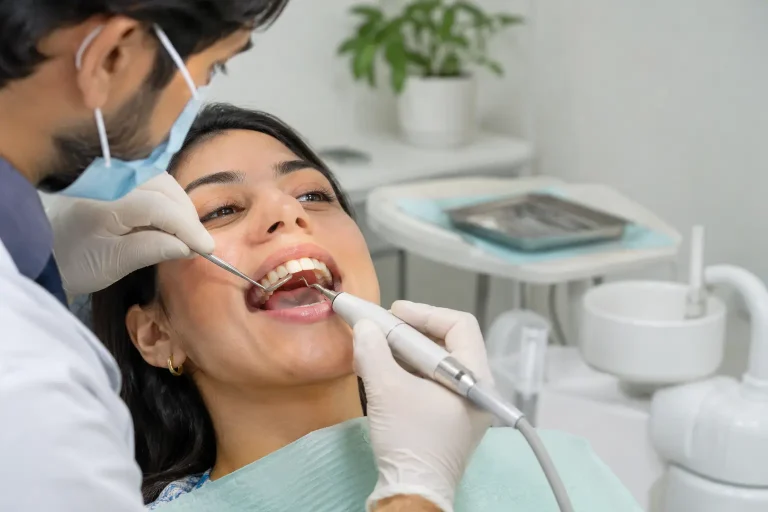
Teeth scaling is a professional dental cleaning procedure that removes plaque and hardened deposits called tartar, also known as calculus, from the surfaces of your teeth.
Plaque is a sticky film containing bacteria that continuously forms on teeth. Regular brushing and cleaning between your teeth help remove it. However, when plaque isn’t removed effectively, it can harden into tartar.
Once tartar has formed, ordinary brushing cannot remove it. A dental professional needs to clean it away using specialised instruments.
Scaling commonly involves:
- Ultrasonic scaling: A vibrating instrument loosens tartar while water helps wash away debris.
- Manual scaling: Hand instruments remove deposits from areas requiring more precise cleaning.
- Polishing: When appropriate, the dentist polishes the teeth to remove some surface stains and leave them feeling smoother.
Routine scaling differs from scaling and root planing, a deeper treatment used for certain patients with periodontal disease.
What Happens During a Teeth Scaling Appointment?
Knowing what to expect can make the appointment less intimidating.
1. Dental examination
Your dentist first examines your teeth and gums to check for plaque, tartar, inflammation and other oral health concerns.
If necessary, the dentist may assess the spaces between your teeth and gums to determine whether routine cleaning is sufficient.
2. Plaque and tartar removal
The dentist uses ultrasonic or manual scaling instruments to carefully remove deposits.
You may hear a buzzing sound and feel vibration or pressure. Some areas, particularly near inflamed gums, can feel sensitive.
3. Teeth polishing
After scaling, polishing may be performed to remove surface stains and smooth the tooth surfaces.
It is important to understand that polishing is different from professional teeth whitening.
4. Oral hygiene advice
Your dentist may recommend changes to your brushing technique, cleaning between your teeth or follow-up schedule to help prevent further buildup.
5 Important Benefits of Teeth Scaling
Scaling isn’t simply about making your teeth look cleaner. It plays an important role in maintaining gum health.
1. Removes hardened tartar
Tartar collects around the gumline and in areas that are difficult to clean. Professional scaling removes these hardened deposits, which cannot be removed through brushing alone.
2. Supports healthier gums
Plaque and tartar accumulation can contribute to gum inflammation, known as gingivitis.
Removing these deposits, combined with good daily oral hygiene, can help improve gum health and control early gum disease.
3. Helps reduce plaque-related bad breath
Persistent bad breath can have several causes, including bacterial buildup and gum disease.
Scaling can help when plaque and tartar are contributing factors. However, persistent bad breath may require further assessment to identify its cause.
4. Removes some surface stains
Tea, coffee and tobacco can contribute to staining on the teeth.
Scaling and polishing may remove certain external stains, making teeth look cleaner. They do not change the natural colour of your enamel in the same way as bleaching treatments.
5. Helps maintain long-term oral health
Regular professional assessment and appropriate cleaning can help identify and manage gum problems before they become more serious.
However, scaling alone cannot prevent every dental problem. Brushing with fluoride toothpaste, daily interdental cleaning and dental check-ups remain essential.
Are There Any Side Effects of Teeth Scaling?
Teeth scaling is generally safe when performed appropriately by a qualified dental professional. However, temporary side effects are possible.
Tooth sensitivity: You may notice increased sensitivity to cold drinks or hot foods after cleaning, particularly if tartar previously covered sensitive root surfaces.
Tender gums: If your gums were already inflamed, they may feel sore after scaling.
Minor bleeding: Inflamed gums may bleed during or shortly after cleaning.
Changes in gum appearance: After deeper periodontal treatment, swollen gums may shrink as inflammation improves. This can make teeth appear longer or reveal areas of existing recession.
These effects vary between patients.
After deep scaling and root planing, discomfort may last a day or two, while tooth sensitivity can persist for up to a week. Routine cleaning generally involves less extensive treatment.
If pain becomes severe, bleeding is persistent or swelling worsens, contact your dentist.
Does Teeth Scaling Damage Enamel?
Properly performed professional scaling is designed to remove plaque and tartar, not healthy tooth enamel.
One common misconception is that scaling makes teeth weak or creates gaps between them.
In reality, removing thick tartar deposits can reveal spaces that were already present. Similarly, teeth may feel more sensitive when previously covered root surfaces are exposed.
The instruments must still be used correctly. Excessive pressure or inappropriate technique can damage dental surfaces or soft tissues, which is why scaling should be performed by a trained dental professional.
Avoid attempting to scrape tartar off your teeth with sharp objects at home.
How to Reduce Sensitivity After Teeth Scaling
A little extra care can make the recovery period more comfortable.
- Brush gently using a soft-bristled toothbrush.
- Continue brushing twice daily with fluoride toothpaste.
- Use toothpaste designed for sensitive teeth if your dentist recommends it.
- Avoid extremely hot or cold foods temporarily if they trigger sensitivity.
- Follow any specific instructions given after deep cleaning.
- Avoid tobacco, which can negatively affect gum health and healing.
If your mouth is still numb from local anaesthesia, be careful when eating or drinking until the numbness wears off.
Sensitivity should gradually improve. If it persists, worsens or is accompanied by significant pain, arrange a dental assessment.
How Often Should You Get Teeth Scaling?
There isn’t one cleaning schedule that suits everyone.
Some people benefit from professional cleaning every six months, while others need different intervals depending on their gum health, plaque buildup and risk factors.
People with a history of periodontal disease may require more frequent maintenance appointments.
Your dentist can recommend the appropriate schedule after examining your teeth and gums.
Remember, regular check-ups are important even when your teeth feel completely fine. Gum disease can develop without obvious symptoms in its early stages.
Teeth Scaling vs Teeth Whitening: What’s the Difference?
Although both procedures can improve the appearance of your smile, their purposes are different.
| Teeth scaling | Teeth whitening |
| Removes plaque and tartar | Lightens the colour of teeth |
| Supports gum health | Primarily improves appearance |
| May remove surface stains | Uses whitening agents to reduce discoloration |
| Recommended according to oral health needs | Considered according to cosmetic goals and dental suitability |
If your teeth look yellow because of surface stains and tartar, cleaning may improve their appearance.
If you want to lighten the natural shade of your teeth, whitening is a separate treatment that should be discussed with your dentist.
Common Myths About Teeth Scaling
Myth 1: Scaling makes teeth loose
Scaling does not normally loosen healthy teeth. If someone has advanced gum disease, tartar may be covering teeth that already have reduced support from surrounding bone and tissues.
Removing the deposits can make existing looseness more noticeable, but the underlying periodontal disease is the main concern.
Myth 2: Scaling permanently weakens enamel
Professional scaling is not intended to remove healthy enamel. Temporary sensitivity does not automatically mean that enamel has been damaged.
Myth 3: Scaling is always extremely painful
Many routine scaling appointments involve little discomfort. Pain levels vary, and your dentist can discuss pain management if deeper cleaning is necessary.
Myth 4: Brushing can remove all tartar
Brushing helps remove soft plaque, but hardened tartar requires professional removal.
Myth 5: Everyone needs scaling every six months
Cleaning frequency depends on individual oral health needs. Your dentist should determine how frequently you need professional cleaning.
When Should You Visit a Dentist?
Consider booking a dental examination if you notice:
- Bleeding gums while brushing or flossing
- Persistent bad breath
- Yellow or brown hardened deposits near your gums
- Red, swollen or tender gums
- Gum recession or increasing tooth sensitivity
- Teeth that feel loose
These symptoms do not always mean you need scaling. A dental examination can identify the cause and the most suitable treatment.
Professional Teeth Scaling in Sargodha
If you’re concerned about tartar buildup, bleeding gums or discomfort during dental cleaning, getting an examination is a useful first step.
At Dental Solutions by Dr. Umer Arshad in Sargodha, patients can receive professional dental assessment and treatment recommendations based on their individual oral health needs.
Whether you need routine scaling and polishing or an assessment for a gum-related concern, the dental team can explain the appropriate options before treatment.
Clinic: Dental Solutions by Dr. Umer Arshad
Address: Rehman Lab Building, Near Munir Hospital, 701-A Satellite Town, Sargodha
Phone: +92 300 6036003
Website: https://dentalsolutions.pk/